
Women’s Health: Targeted natural solutions to address women’s hormonal needs
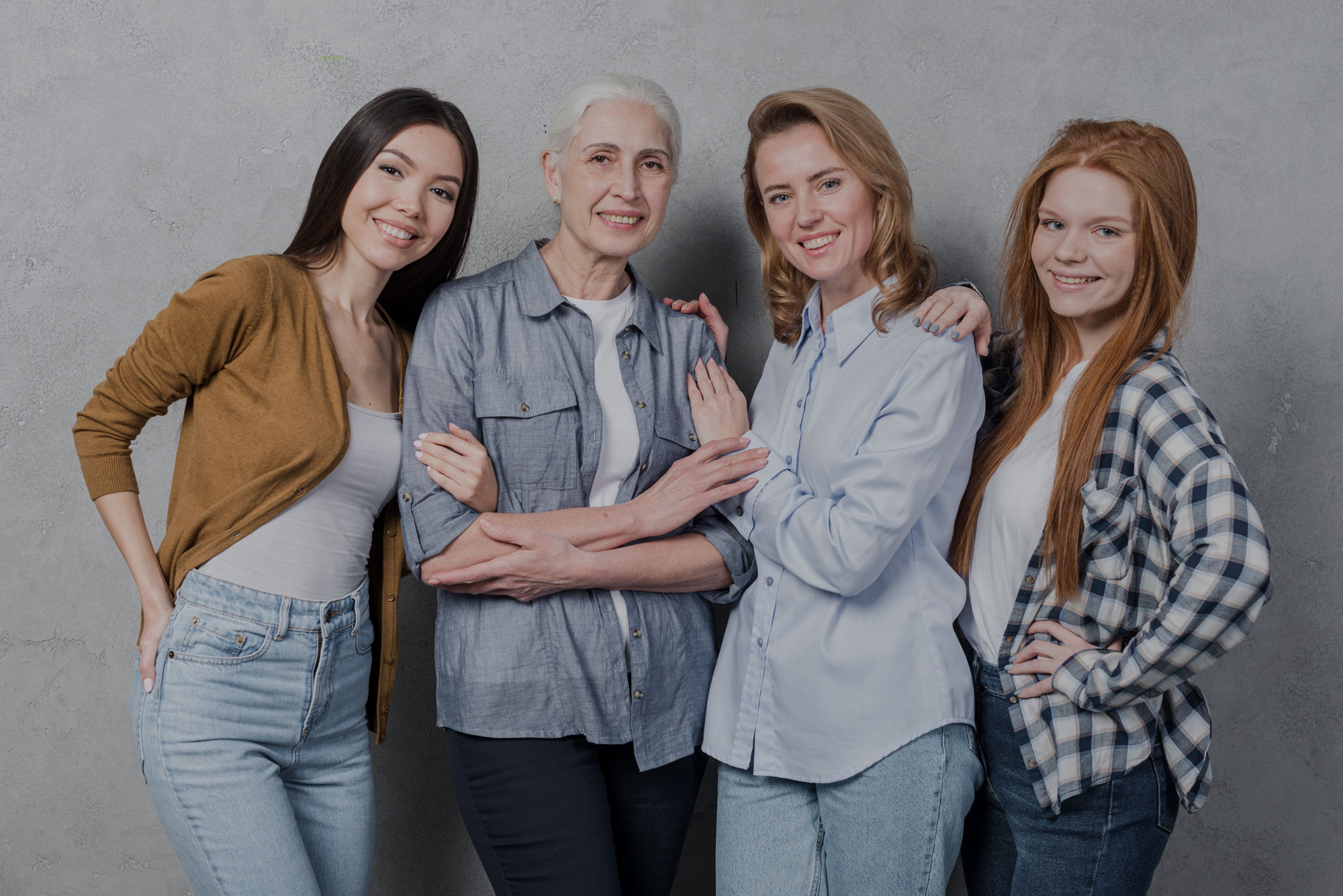
Long approached in a fragmented way, women’s health is now viewed from a more holistic perspective, taking into account the different stages of life and women’s specific physiological needs.
From the menstrual cycle and pregnancy to postpartum, perimenopause and menopause, women experience significant hormonal fluctuations throughout these different stages of life. Linked to the functioning of the endocrine system, these changes can affect both physical and emotional well-being. These realities highlight the need for a deeper understanding of women’s specific needs at every stage of life.
A better understanding of hormonal health is gradually helping to break down taboos and paving the way for new supportive solutions. This rapidly evolving market is being driven by growing demand for natural, targeted solutions designed to support women as closely as possible according to their specific needs.
Women’s Health: A rapidly evolving field at the heart of new personalized approaches

Greater Recognition of Women’s Specific Needs
Women’s health is receiving increasing attention today. This shift is fostering a better understanding of the specific needs associated with different stages of life and is gradually changing the way women’s health issues are perceived.
At the same time, a broader movement towards destigmatization is taking place. Taboos surrounding women’s health are gradually being broken down, bringing greater recognition to issues that have long been overlooked. Postpartum health, hair loss, coming off the contraceptive pill, polycystic ovary syndrome (PCOS), endometriosis, the post-ovulatory phase of the menstrual cycle, the baby blues and early menopause are just some of the topics now receiving greater attention in approaches dedicated to women’s health.
This growing recognition is driving the development of new health and wellness solutions designed to address more targeted needs. The market is gradually becoming more structured, offering support for women-specific health concerns such as endometriosis, fertility, menstrual cycle management, menopause, hormonal imbalances and polycystic ovary syndrome (PCOS), as well as conditions that are more prevalent among women, including iron deficiency, joint discomfort and cardiovascular issues. (1)
This shift is paving the way for an increasingly personalized approach to women’s health, more closely aligned with the realities and specific needs of each stage of life.
A market driven by demand for more personalized solutions
The women’s health sector is evolving rapidly. Greater recognition of women’s needs is being accompanied by the emergence of increasingly targeted nutraceutical solutions. In this context, the market continues to develop through innovative ingredients, new formulations and health benefits designed to meet consumers’ growing expectations.
These figures reflect the strength of this momentum. Globally, the women’s health and beauty supplements market was valued at $53.4 billion in 2022 and is expected to grow at a compound annual growth rate (CAGR) of 5.1% through 2030.(2) Other forecasts point to even stronger growth: the market could reach $163.5 billion in 2025, with an estimated CAGR of 7.5% through 2035.(3)
This momentum is part of a broader shift: historically underfunded and understudied, women’s health is now increasingly recognized as a public health priority and a major driver of innovation. This evolution is fostering the development of new research, solutions and entrepreneurial initiatives.(4) In France, expectations remain particularly high. According to a 2025 study conducted by Organon, 47% of French women believe that the healthcare system does not adequately address their specific needs. (5)
Women also play a central role in the dietary supplements market. They are the primary consumers, with 8 out of 10 dietary supplements purchased by women.(6) In 2024, women also accounted for 56% of dietary supplement consumers, with an average age of approximately 46.(7)
Against this evolving backdrop, women’s expectations are becoming increasingly specific: they are looking for more targeted and scientifically documented formulations, personalized approaches, clean-label products, plant-based ingredients, and tangible evidence of efficacy, particularly through clinical studies.(8)
For market players, the message is clear: women’s health offers significant opportunities for innovation, with personalization, naturality and scientific rigor becoming key drivers in the development of new solutions.
Ultra-Segmentation: Addressing the diversity of women’s hormonal profiles
Women’s needs vary considerably from one stage of life to another. In response to this diversity, market players are developing specialized product ranges designed to address specific physiological needs, reflecting an increasingly personalized approach.
This ultra-segmentation is particularly evident across three key areas:
- Reproductive health: Fertility, the prenatal period(9) and postpartum period(10) are all stages that require tailored approaches. Postpartum health, in particular, is receiving growing attention. Following childbirth, the significant drop in hormone levels can be accompanied by both physical and emotional challenges. During this period, 64% of women experience fatigue,(11) while 60% to 80% experience mental health issues, including mood disorders and anxiety.(12)
- Hormonal fluctuations: Hormonal balance, the menstrual cycle, premenstrual syndrome (PMS), perimenopause and postmenopause are also key areas for the development of targeted solutions. Among these, PMS is a particular focus. Linked to hormonal fluctuations during the luteal phase, it occurs before menstruation and can cause a range of physical and emotional symptoms, including fatigue and irritability. It affects 20% to 40% of women of reproductive age. (13)
-
Intimate health: Specific needs related to intimate health represent another area of specialization, with solutions targeting vaginal dryness, intimate microbiome balance, vaginal flora and libido, among other concerns.
Ultra-segmentation therefore marks a shift from a broad approach to women’s health towards more targeted solutions tailored to the diversity of women’s profiles and the different stages of their hormonal journey.
Menopause: Supporting hormonal changes associated with women’s aging

Understanding menopause: An inevitable hormonal stage in a woman’s life
Menopause is a natural and inevitable physiological stage in every woman’s life. It is characterized by the permanent cessation of ovulation and menstruation. (14) It generally occurs between the ages of 45 and 55, with the average age being around 50.
This change is driven by the gradual depletion of the ovarian reserve and the eventual cessation of the ovaries’ cyclical activity. To understand this mechanism, it is helpful to look at how the menstrual cycle works.
During each cycle, follicle-stimulating hormone (FSH) stimulates the ovarian follicles, allowing an egg to mature. These follicles also produce estrogen, which notably contributes to the thickening of the uterine lining and changes in cervical mucus. After ovulation, the follicle develops into the corpus luteum and secretes progesterone. This hormone prepares the uterine lining for the potential implantation of a fertilized egg.
If fertilization does not occur, progesterone levels decrease, causing the uterine lining to shed. This results in menstruation, which also marks the beginning of a new cycle. This process continues until the follicular reserve gradually becomes depleted. As the number of ovarian follicles declines, ovulation progressively ceases and the production of progesterone, followed by estrogen, decreases.
Before menopause, women go through a period of hormonal transition known as perimenopause. This stage is characterized in particular by a decline in progesterone production.
Menopause is then established when estrogen production declines and menstruation has been absent for 12 consecutive months. This marks the beginning of a new stage in a woman’s hormonal life, accompanied by evolving needs.
Menopause: Breaking the taboo and paving the way for new solutions
Long overlooked and rarely discussed, menopause is now gaining increasing visibility. This universal stage in women’s lives is gradually emerging from the shadows, driven by more open conversations and greater recognition of the issues associated with it. Social media, traditional media and public figures are helping to reshape perceptions of this period of hormonal transition, which is now regarded as a “public health issue.” (15)
The figures highlight the scale of the issue. In France, 17.2 million women over the age of 45 are affected by menopause, while nearly 500,000 women enter this period of hormonal transition each year. (16)
This growing awareness is also being accompanied by changes in the market. According to the latest Gers data from September 2024, the menopause OTC market, which includes non-prescription medicines and dietary supplements, recorded 7.5% growth in value.
Menopause is therefore emerging as a high-potential market where greater visibility, women’s needs and innovation converge, paving the way for new supportive solutions.
Micronutrition to support hormonal balance during menopause
Menopause is accompanied by numerous physiological changes that can affect the quality of life of many women. These symptoms, which may be temporary or persist over the longer term, can also begin as early as perimenopause.
Among the most common symptoms are hot flashes. Linked to declining estrogen levels, they affect approximately seven out of ten women. They occur particularly at night and can therefore disrupt sleep quality. (14)
Hormonal changes can also be accompanied by a wide range of other symptoms, including mood swings, difficulty concentrating, depressive symptoms and sleep disturbances. (17)
In this context, micronutrition can play an important role in supporting women through this transition. A balanced diet, combined with appropriate supplementation and a healthy lifestyle, can help improve well-being during menopause. Among the micronutrients that can contribute to hormonal balance and help reduce fatigue, several are particularly relevant for supporting women during menopause:
- Vitamin C and B vitamins, which help reduce tiredness and fatigue and can therefore support energy levels and concentration.
- Magnesium, which also contributes to the reduction of tiredness and fatigue.
- Vitamin B6, which contributes to the regulation of hormonal activity.
CONCENTAL® : A natural innovation for menopausal women

Stress, mood and emotional balance: A natural ingredient to support well-being during menopause
Menopause is not limited to physical changes. During this period, 55% of women report psychological symptoms such as mood swings, anxiety or depression. Fluctuations in hormone levels can affect emotional balance, as well as cognitive function and brain health. Chronic fatigue, poor sleep quality, mood disturbances, irritability or anxiety, difficulties with attention and memory, and brain fog are among the many symptoms that can affect women during this transitional stage.
To address these challenges, CONCENTAL® stands out as a patented, clinically tested natural ingredient. Made from a flavonoid-rich botanical extract, Greek Mountain Tea (Sideritis scardica Griseb.) was selected for its use in supporting cognitive performance and stress management.
Also known as “Syrian ironwort,” this perennial plant is native to the Mediterranean Basin and is particularly well established in Greece, Bulgaria and Albania. Its value notably lies in its mechanism of action: CONCENTAL® modulates neurotransmitter activity by inhibiting the reuptake of serotonin, norepinephrine and dopamine. This action is designed to promote a calmer, more relaxed and focused state of mind.
With CONCENTAL®, botanical expertise meets scientific innovation to offer a patented natural ingredient specifically developed to address the cognitive and emotional challenges associated with menopause.

A patented ingredient with clinically studied results
The efficacy of CONCENTAL® was evaluated in a randomized, double-blind, placebo-controlled clinical study. Of the 140 participants enrolled in the study, a subgroup of 85 women over the age of 50 underwent a specific analysis to assess its efficacy on anxiety in menopausal and postmenopausal women.
The results showed an improvement in anxiety levels, with effects varying according to age and stage of hormonal transition. Among postmenopausal women aged 60 and over, supplementation with 950 mg of CONCENTAL® resulted in an 11.8% improvement in anxiety levels compared with placebo. Among menopausal women aged 50 to 59, a 475 mg dose of CONCENTAL® resulted in a 19% improvement compared with placebo.
The study also highlighted an effect on mood: at a dose of 950 mg, CONCENTAL® helped improve mood after 28 days of supplementation.
Beyond these results, supplementation with CONCENTAL® helps improve state of mind, mood and mental clarity, thereby supporting memory, self-confidence and overall well-being. This approach can help promote a greater sense of calm and positivity in everyday life.
- World Health Organization, Global Anaemia estimates, 2021
- Grand View Research, Women’s Health And Beauty Supplements Market Size, Share & Trends Analysis Report By Product, By Application, By Age Group, By Consumer Group, By Sales Channel, By Region, And Segment Forecasts, 2023 – 2030
- Future Market Insights, Women’s Health Supplements Market by Type, Dosage Form, Distribution Channel, and Region – Analysis for 2025 to 2035
- Jean Rosenbaum, La santé des femmes : enfin une priorité ?, Women’s health: finally a priority?, Med Sci (Paris), Volume 41, Number 12, Décembre 2025, La santé des femmes : au-delà de la procréation, https://doi.org/10.1051/medsci/2025235
- OpinionWay pour Organon, « 1 Française sur 2 estime que ses besoins de santé ne sont pas pris en compte dans le système actuel », 2025
- Actif’s n°80, Santé Féminine : inventive et audacieuse, 2022
- Synadiet, Le marché des compléments alimentaires, chiffres 2024
- Grand View Research, Women’s Health and Beauty Supplements Market Report, 2030
- OASH. Nutrition During Pregnancy to Support a Healthy Mom and Baby, 2022
- Grand View Research. Postpartum Health Supplements Market Report
- Badr HA, Zauszniewski JA. Meta-analysis of the predictive factors of postpartum fatigue. Applied Nursing Research, 2017
- Manjunath NG, Venkatesh G, Rajanna. Postpartum Blue is Common in Socially and Economically Insecure Mothers. Indian Journal of Community Medicine, 2011
- INSERM, #PayeTonCycle : C’est quoi le syndrome prémenstruel ?
- Ameli, Ménopause : définition, symptômes et diagnostic, 2026,
- Étude « Le marché de la ménopause », Les Échos Études, septembre 2024
- Sante.gouv.fr, La ménopause : s’informer et en parler, 2025
- Gilles Bertschy, Dominique de Ziegler, Francesco Bianchi-Demicheli, Troubles de l’humeur chez la femme périménopausique : traitement hormonal ou antidépresseur ?, 2005, DOI: 10.53738/REVMED.2005.1.33.2155
FAQ
From puberty to menopause, including adolescence, reproductive years, pregnancy and the postpartum period, women’s needs evolve at every major stage of life. Each stage is accompanied by changes in hormone production, which play a role in regulating numerous physiological processes.
In response to this diversity of needs, women are increasingly seeking highly personalized natural solutions. This shift is creating new opportunities for companies specializing in women’s health to develop ingredients and formulations tailored to each stage of a woman’s hormonal journey.
Hormonal fluctuations can have both physical and psychological effects, including metabolic changes, low energy levels, weight gain and/or eating disorders, menstrual cycle irregularities, fatigue and chronic stress, sleep disturbances, decreased libido, physical discomfort (particularly pelvic or urinary), as well as skin concerns such as hormonal acne, dark spots and uneven skin tone.
They can also affect emotional balance and cognitive function, leading to mood disturbances such as irritability, anxiety, mood swings and low mood, as well as difficulty concentrating and feelings of brain fog.
Hormonal imbalances can have a variety of causes. These may be medical, such as certain thyroid disorders, polycystic ovary syndrome (PCOS) or insulin resistance; physiological, particularly during puberty, pregnancy, menopause or as part of the aging process; or related to lifestyle factors.
Certain environmental factors can also influence the body’s hormonal balance, including stress, exposure to endocrine disruptors, insufficient sleep and an unbalanced diet.
During menopause, certain essential nutrients can contribute to women’s well-being. Vitamin C and B vitamins, as well as magnesium, help reduce tiredness and fatigue. Vitamin B6 contributes to the regulation of hormonal activity.
Calcium and vitamin D also play an important role in maintaining bone health. Calcium helps reduce the loss of bone mineral density in postmenopausal women, particularly from the age of 50 onwards, as low bone mineral density is a risk factor for osteoporosis.
Dietary supplements can therefore combine vitamins, minerals and botanical ingredients in targeted formulations tailored to the specific needs of this transitional stage.
Phytoestrogens are plant-derived compounds whose structure shares similarities with estrogen. However, their use in solutions designed to support women during menopause remains a subject of discussion, particularly because of their hormonal activity.
Their relevance should therefore be assessed according to the nature of the ingredient, its dosage, mechanism of action and the available scientific evidence. For both women and formulators, selecting natural ingredients backed by robust scientific evidence is therefore an essential consideration when developing targeted solutions tailored to the specific needs of menopause.
Particular caution should be exercised in women with a history of hormone-dependent conditions or in specific health circumstances. In such cases, it is recommended to seek advice from a healthcare professional before use.
Latest news
Discover how natural ingredients and micronutrition can address women’s specific needs at every stage of their hormonal …

What is FSSC 22000? FSSC 22000 is a rigorous, globally recognized food safety certification standard based on: I…