

DEVIL’S CLAW
Harpagophytum procumbens DC. Digestion
  Appetite
  Joints
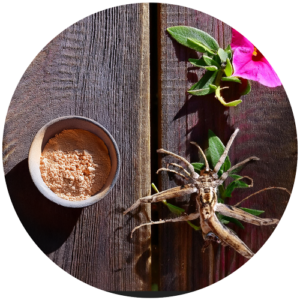
 Devil’s claw root is native to the desert regions of southern Africa. It is renowned for its ability to relieve joint pain. This root has an organized supply chain to preserve this unique natural resource.
Our references
Regulations
and analysis
Identification : TLC
Data on traditional use
Cahier de l’agence du médicament (France):
- Used for painful joint symptoms
EMA monograph :
-
Used to relieve minor joint pain
-
Used to relieve minor digestive disorders such as bloating and flatulence.
-
Used for loss of appetite
WHO monograph :
-
Used for loss of appetite and indigestion.
-
Use for joint health and pain relief
Monographie Canada :
-
Used to help stimulate appetite
-
Used to help relieve digestive disorders such as indigestion.
-
Used to help relieve joint pain
German monograph :
- Used for loss of appetite, indigestion
Association ideas by health axis
Select one or more axes:
Detailed description
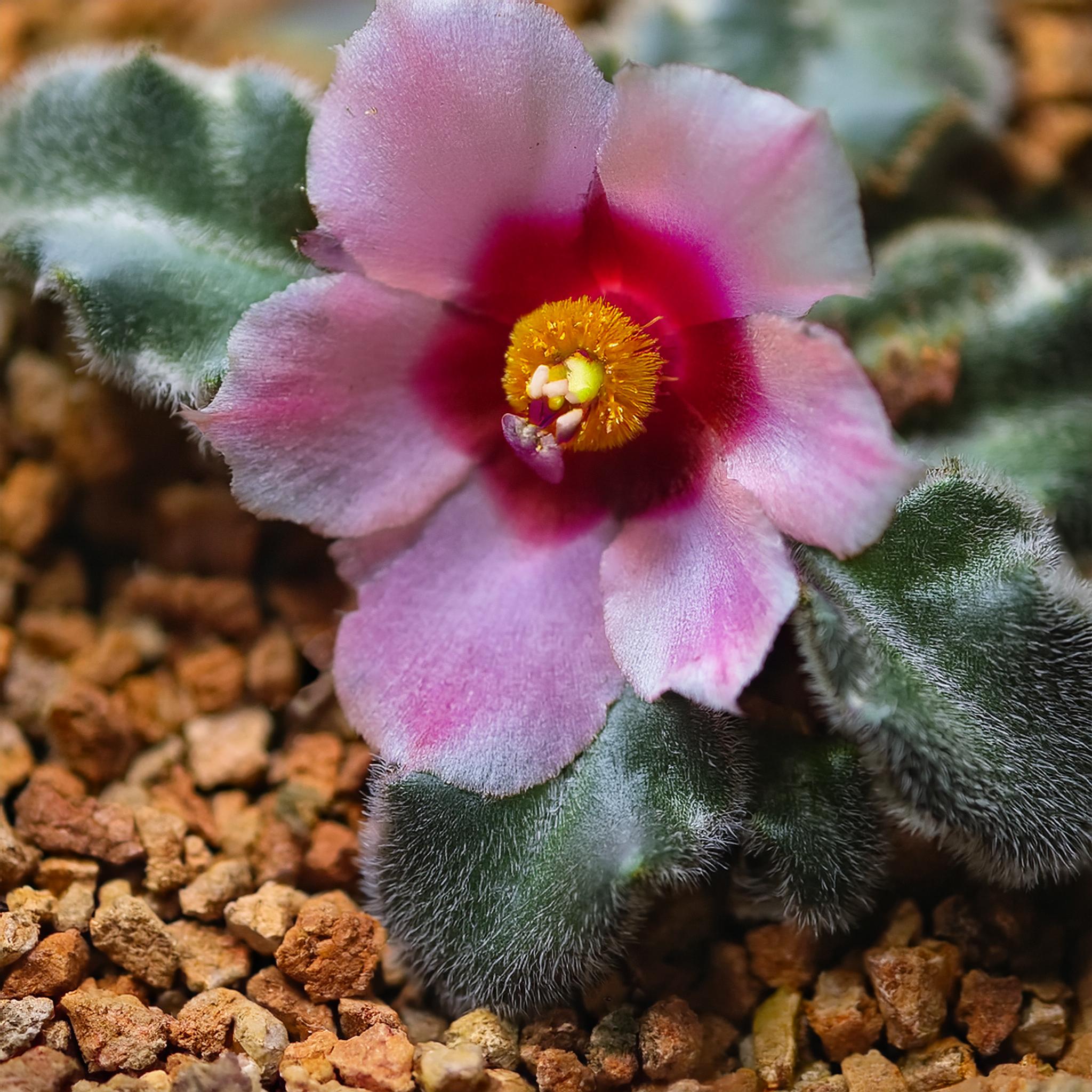
Devil’s claw root, known as Harpagophytum procumbens, is a perennial plant native to the desert regions of southern Africa, particularly Namibia. It is characterized by creeping stems, lobed leaves and purple tubular flowers. Its thorny, hook-shaped fruits have earned it the nickname “devil’s claw”. Historically, harpagophytum was used to treat a variety of ailments, including joint pain and digestive disorders.
It is mainly consumed as a dietary supplement, and its main active compound, harpagoside, is said to soothe and reduce joint pain.
Devil’s claw root also has antioxidant properties and can improve digestion.
Aware of the importance of preserving this natural resource, Namibia’s Ministry of the Environment and Tourism introduced a policy in 2010 to manage the collection, trade, transport and export of harpagophytum roots.
FAQ
Devil’s claw (Harpagophytum procumbens DC) is a plant native to the desert regions of southern Africa. Its root has traditionally been used for joint comfort and digestive health. It is particularly rich in harpagosides and other iridoids.
Devil’s claw root is mainly used in food supplements formulated for joint comfort. It is also traditionally used to support digestive comfort and appetite. These traditional uses are recognised in particular by EMA and WHO monographs.
Pharmanager Ingredients offers several Devil’s claw root ingredients, including root powder, a 6:1 extract, extracts standardised to more than 1.5% or 4% harpagosides, and extracts standardised to more than 1.5% or 2.5% iridoids.