
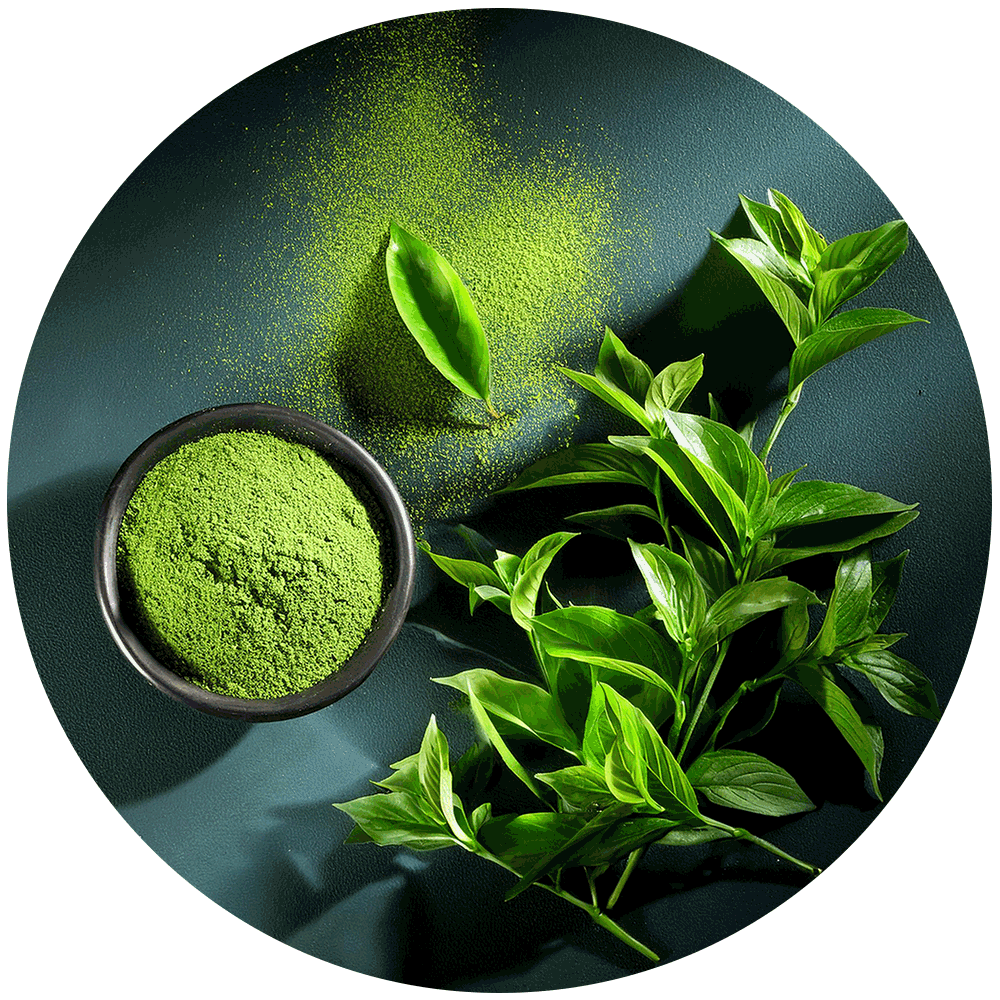
GREEN TEA
Camellia sinensis Kuntze Toning
  Cardiovascular system
  Immune system
  Blood glucose
  Slimming
  Cognitive function
  Cholesterol
  Antioxidant
 Originating in China, green tea has been consumed for over 4,000 years, not only for its taste, but above all for its health benefits. Green tea leaves are rich in antioxidants, notably from the catechin family, which stimulate the metabolism. Read the detailed description
Our references

Regulations
and analysis
Identification : TLC
Data on traditional use
Cahier de l’agence du médicament (France) :
- Stool transit and consistency
- Temporary fatigue
- Weight loss to complement dietary measures
- Renal water elimination
EMA monograph :
- Relief of digestive disorders such as indigestion with a feeling of fullness, bloating and flatulence.
WHO monograph :
- Fatigue and feeling of weakness
Monographie Canada :
- Antioxidant to maintain health
- Antioxidant for weight management
Association ideas by health axis
Select one or more axes:
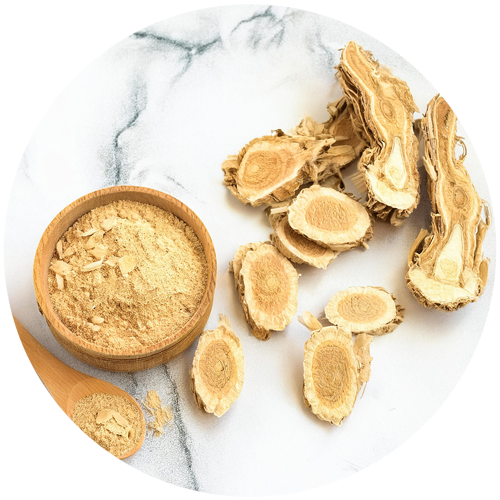
ASTRAGALUS
Astragalus membranaceus Bung.
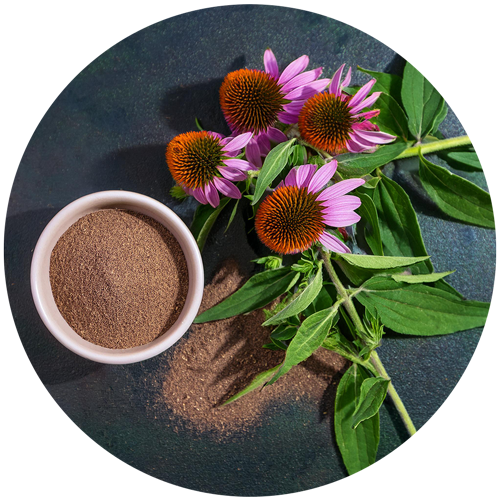
PURPLE ECHINACEA
Echinacea purpurea (L.) Moench
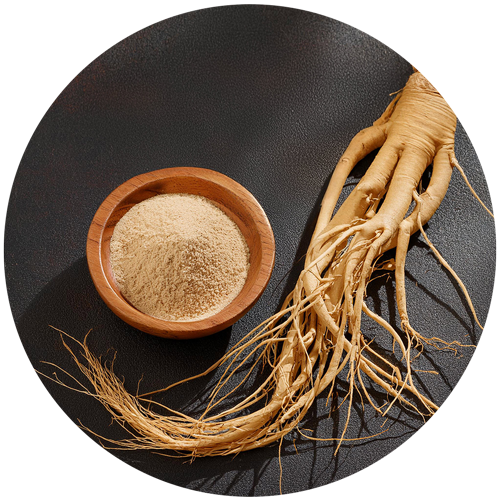
GINSENG EXTRACT
Panax ginseng C.A. Meyer
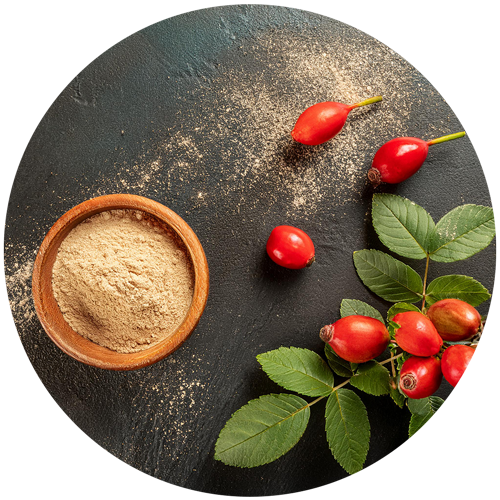
DOG ROSE
Rosa canina L.

RED VINE
Vitis vinifera L. var. tinctoria
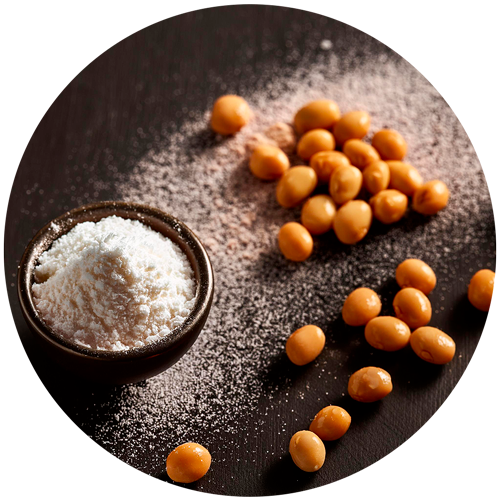
Nattiase: for normal blood flow.
Glycine max L.
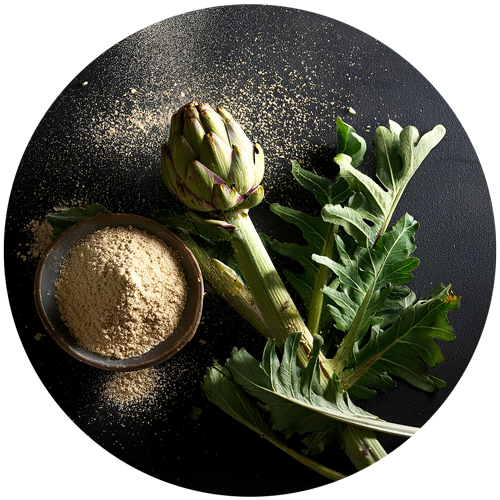
ARTICHOKE
Cynara scolymus L.
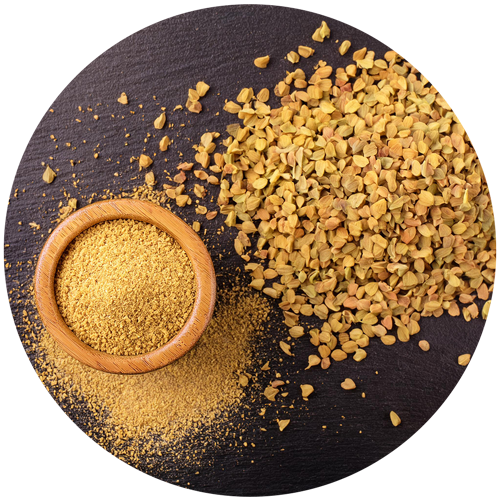
FENUGREEK
Trigonella foenum-graecum L.
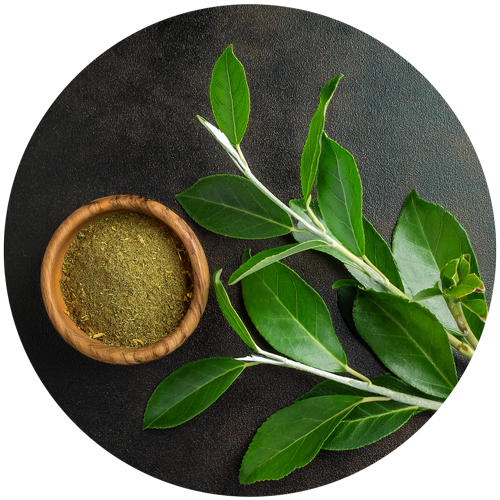
MATE
Ilex paraguariensis A. St. HILL
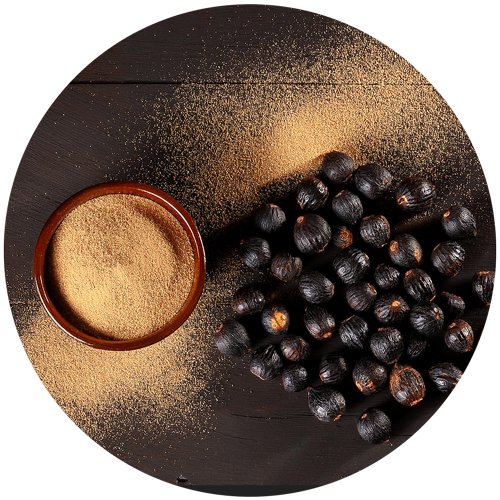
GUARANA
Paullinia cupana Kunth
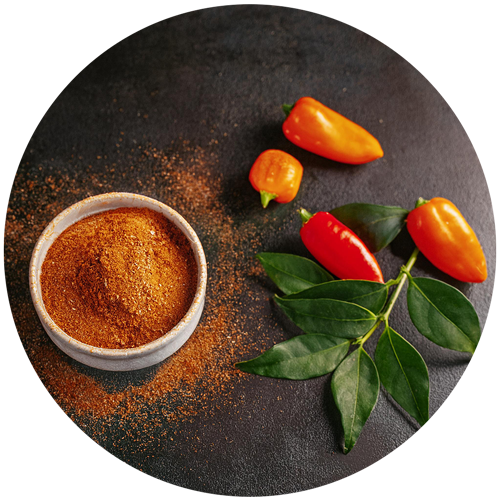
CAPSICUM
Detailed description
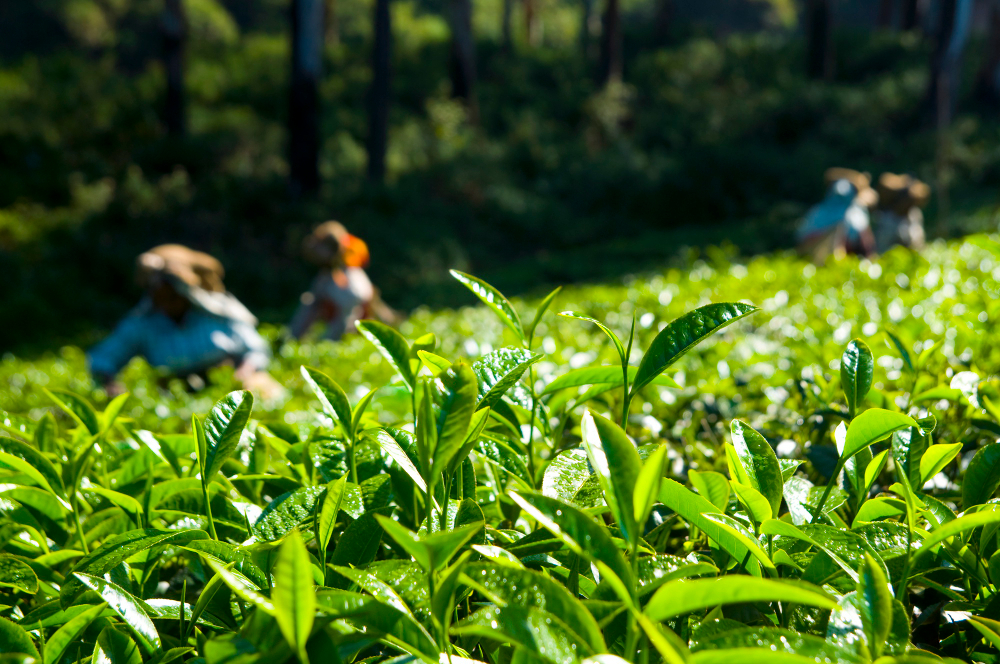
Green tea, Camellia sinensis, is a member of the Theaceae family, recognized by its narrow, light-green leaves. Native to China, it has been consumed for over 4,000 years. It was introduced to Japan in the 9th century, where it plays a central role in culture and the famous tea ceremony. Traditionally, the leaves are brewed to create a beverage appreciated for its stimulating and health-preserving effects. Rich in antioxidants, notably catechins and polyphenols, green tea leaves support cardiovascular health and stimulate metabolism and lipid oxidation. Its catechins are particularly well studied, as is L-theanine, an amino acid that promotes relaxation. Last but not least, green tea boosts the immune system.
1. Zhao T, et al., Molecules, 2022;27.
2. Payne ER, et al., Nutrition Reviews, 2025;83:1873–1891.
3. Luo Q, et al., Journal of Advanced Research, 2023;65:345–363.
FAQ
Green tea extract is obtained from the leaves of Camellia sinensis. It is naturally rich in polyphenols, particularly catechins such as epigallocatechin gallate (EGCG), which are recognised for their antioxidant properties. Depending on the extraction process, the extract can be standardised to different active compound levels to meet various nutraceutical formulation needs.
Green tea extract is widely used in food supplements formulated for antioxidant protection, weight management, energy metabolism, cardiovascular wellness, cognitive function and support against oxidative stress.
Our extract is produced using a traditional water extraction process without organic solvents, maltodextrin, preservatives or silica. This gentle process preserves the natural composition of the tea leaf while delivering an extract suitable for nutraceutical applications.